Common Tarot Myths Debunked: What You Need to Know


Tarot cards have fascinated people for centuries, often surrounded by a veil of mystery and misconceptions. While some see them as mystical tools, others view them with skepticism. In this post, we'll explore common myths about tarot and reveal the truths behind them.
Tarot Cards Predict the Future
One of the most prevalent myths is that tarot cards can predict the future. This belief often leads people to think of tarot as a tool for fortune-telling. However, tarot is more about providing insight and guidance rather than predicting exact outcomes. The cards can help reflect on current situations and explore possible paths.
Tarot readings focus on the present moment and can offer clarity on how your actions might influence future events. It's more about empowering individuals to make informed decisions rather than prescribing a fixed destiny.
Only Psychics Can Read Tarot
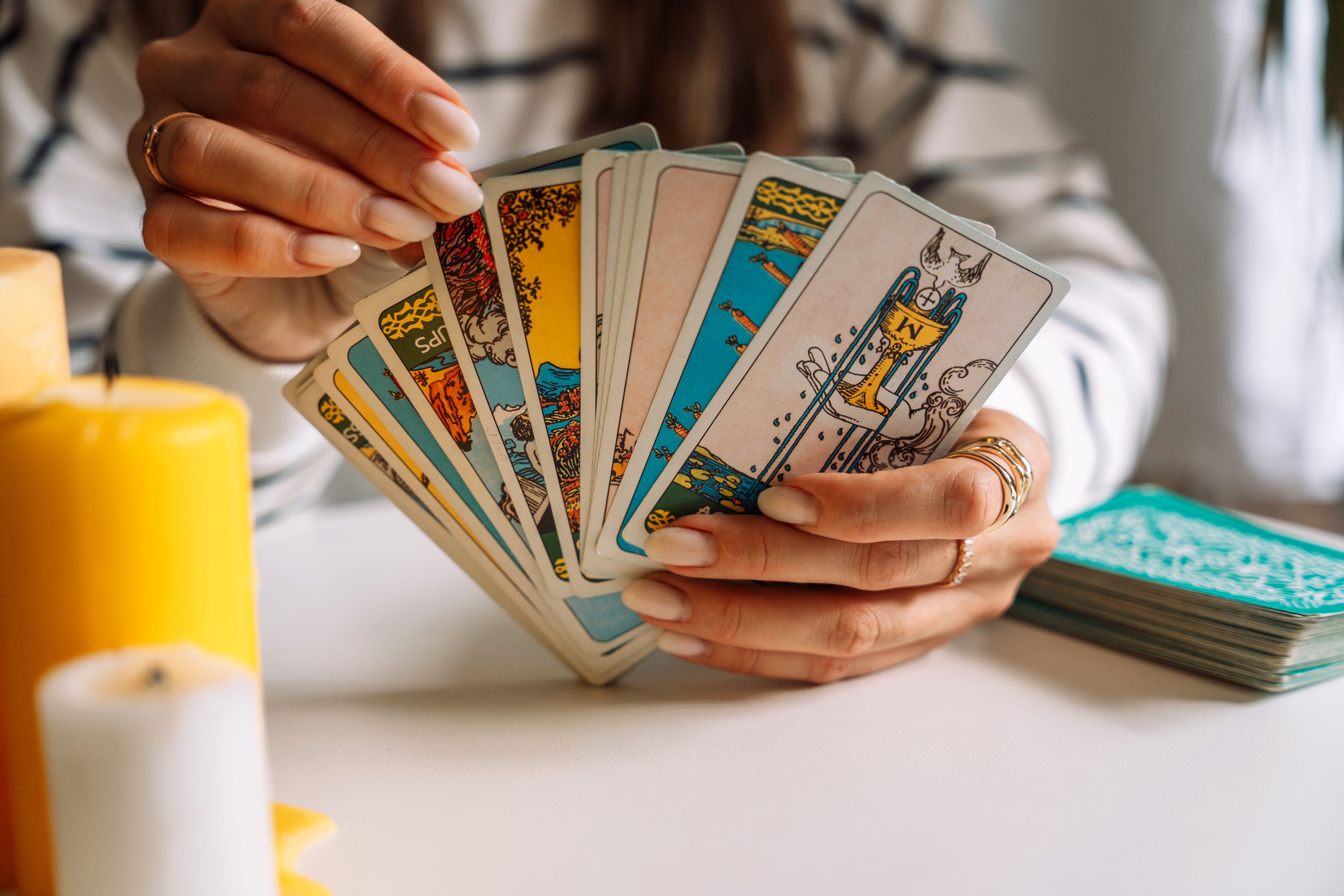
Another common misconception is that tarot reading requires psychic abilities. In reality, anyone can learn to read tarot cards. While intuitive insight can enhance the experience, understanding the symbolism and meanings of the cards is something that anyone can develop with practice.
Many professional tarot readers rely on their knowledge of the cards combined with their intuition. It's about connecting with the cards and interpreting them in a way that resonates with the querent's life.
Tarot Is Linked to Dark Magic
Some people associate tarot with dark magic or the occult, fearing it might bring bad luck or attract negative energies. This myth likely stems from the mysterious imagery on some cards, like the "Death" or "Devil" cards, which are often misunderstood.
In truth, tarot is a tool for self-reflection and personal growth. The symbolism in tarot cards reflects various aspects of human experience and is not inherently negative or harmful.
The Death Card Means Literal Death
The "Death" card is one of the most feared cards in the tarot deck, often assumed to signify actual death. However, this card usually represents transformation and change, signaling the end of one phase and the beginning of another.
It's a reminder that change is a natural part of life and can lead to new opportunities and growth. The card encourages embracing transformation rather than fearing it.
Using Tarot Is Against Religion
Some people believe that tarot is incompatible with religious beliefs. However, tarot itself is a neutral tool. It can be used in a way that aligns with personal beliefs and values.
Many people of various faiths use tarot for self-reflection, meditative practices, and personal development without feeling it conflicts with their religious principles.
Conclusion
Understanding the truths behind these common myths can make tarot more accessible and less intimidating. Whether you're curious about starting your tarot journey or seeking to deepen your existing practice, remember that tarot is a versatile tool for insight, reflection, and personal growth.
By debunking these myths, we hope to provide clarity and encourage a more open-minded approach to exploring the world of tarot.