Debunking Common Tarot Myths: Separating Fact from Fiction


Understanding Tarot: Beyond the Misconceptions
The world of tarot is rich with symbolism, history, and mystique. However, it is also surrounded by a myriad of myths and misconceptions. These misunderstandings often cloud the true essence of tarot and its practice. In this blog post, we aim to debunk some common tarot myths, allowing enthusiasts and skeptics alike to appreciate tarot for what it truly is.
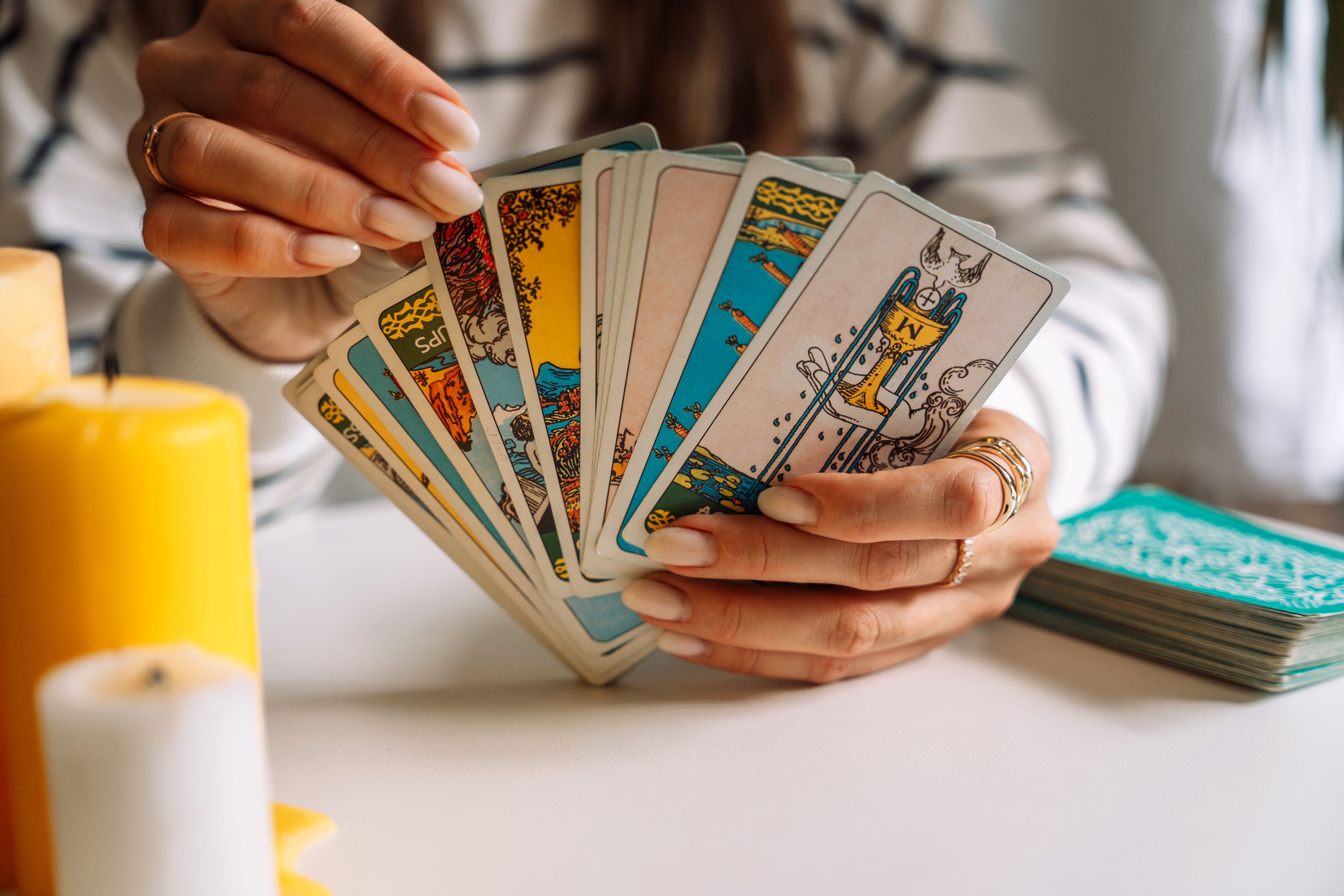
Myth 1: Tarot Can Predict the Future
A pervasive myth is that tarot cards can predict the future with absolute certainty. In reality, tarot is more about guidance and reflection. Tarot readings provide insights into current situations and potential outcomes based on the present path. They serve as a tool for introspection and decision-making, rather than a crystal ball revealing an unchangeable fate.
It's important to view tarot as a mirror reflecting your subconscious thoughts and feelings. This can empower you to make informed choices and navigate life’s uncertainties with greater awareness.
Myth 2: You Must Be Psychic to Read Tarot
Another common belief is that only psychics or those with special abilities can read tarot. This is far from the truth. While intuition plays a role, anyone can learn to read tarot with practice and study. Understanding the symbolism and meanings of the cards is key to becoming proficient in tarot reading. Many readers develop their skills through experience and by tapping into their intuitive insights.
Myth 3: Tarot Is Evil or Occult
Tarot often gets lumped in with the occult, leading some to perceive it as evil or dangerous. This misconception may stem from historical associations and fictional portrayals. In reality, tarot is a neutral tool. It's neither good nor evil; its purpose and meaning come from the intentions and interpretations of the reader.
The cards themselves are simply pieces of cardboard with images. The power of tarot lies in its ability to help individuals explore their thoughts and emotions, facilitating personal growth and understanding.
Myth 4: You Shouldn't Read Your Own Cards
Some people believe that reading your own tarot cards is ineffective or even harmful. However, self-readings can be incredibly beneficial, offering personal insights and clarity. The key is to approach self-readings with an open mind and be aware of any biases that may influence your interpretations.
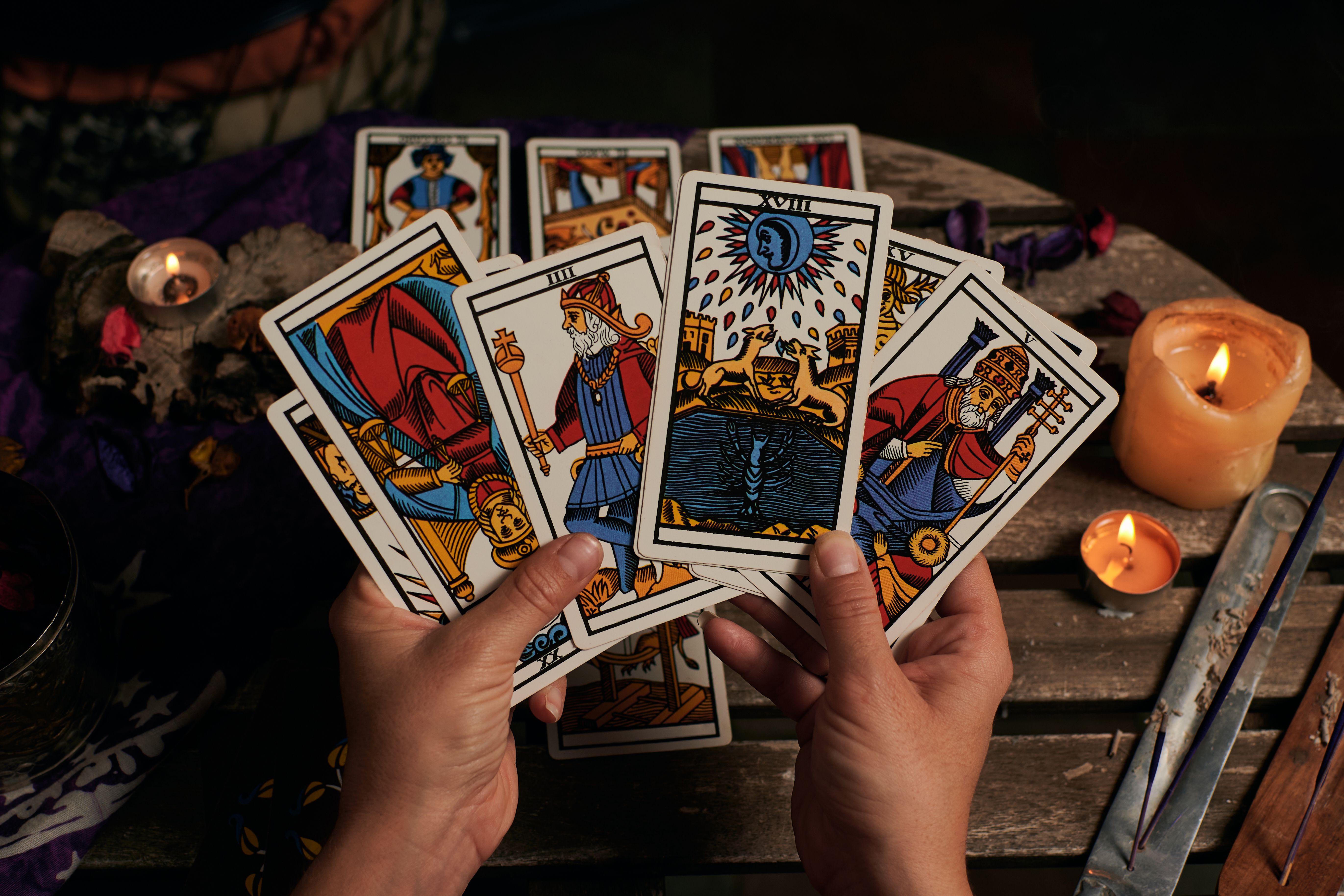
By practicing regularly and reflecting on your readings, you can learn to trust your intuition and use tarot as a valuable tool for self-reflection.
Embracing the True Essence of Tarot
Debunking these myths allows us to appreciate the true purpose and potential of tarot. It is a versatile tool for personal insight, growth, and understanding. Whether you use tarot for guidance, meditation, or creative inspiration, it can be a valuable addition to your spiritual toolkit.
Approach tarot with an open mind and a willingness to explore your inner world. By separating fact from fiction, you can harness the true power of tarot, leading to a deeper connection with yourself and the world around you.