Debunking Common Tarot Myths: Separating Fact from Fiction


Tarot cards have long been associated with mystery and intrigue, but with that comes a slew of misconceptions. These myths often deter people from exploring the true essence of tarot. In this post, we aim to debunk some of the most common tarot myths and provide a clearer understanding of this ancient practice.
Myth 1: Tarot Predicts the Future
One of the most prevalent myths is that tarot cards are a tool for predicting the future. In reality, tarot is more about guidance and reflection. The cards offer insights into your current situation and suggest potential outcomes based on your actions and decisions.
Tarot is a way to tap into your intuition and gain perspective. It encourages you to contemplate your life and make informed choices, rather than relying on a predetermined destiny.
Myth 2: You Need to Be Psychic to Read Tarot
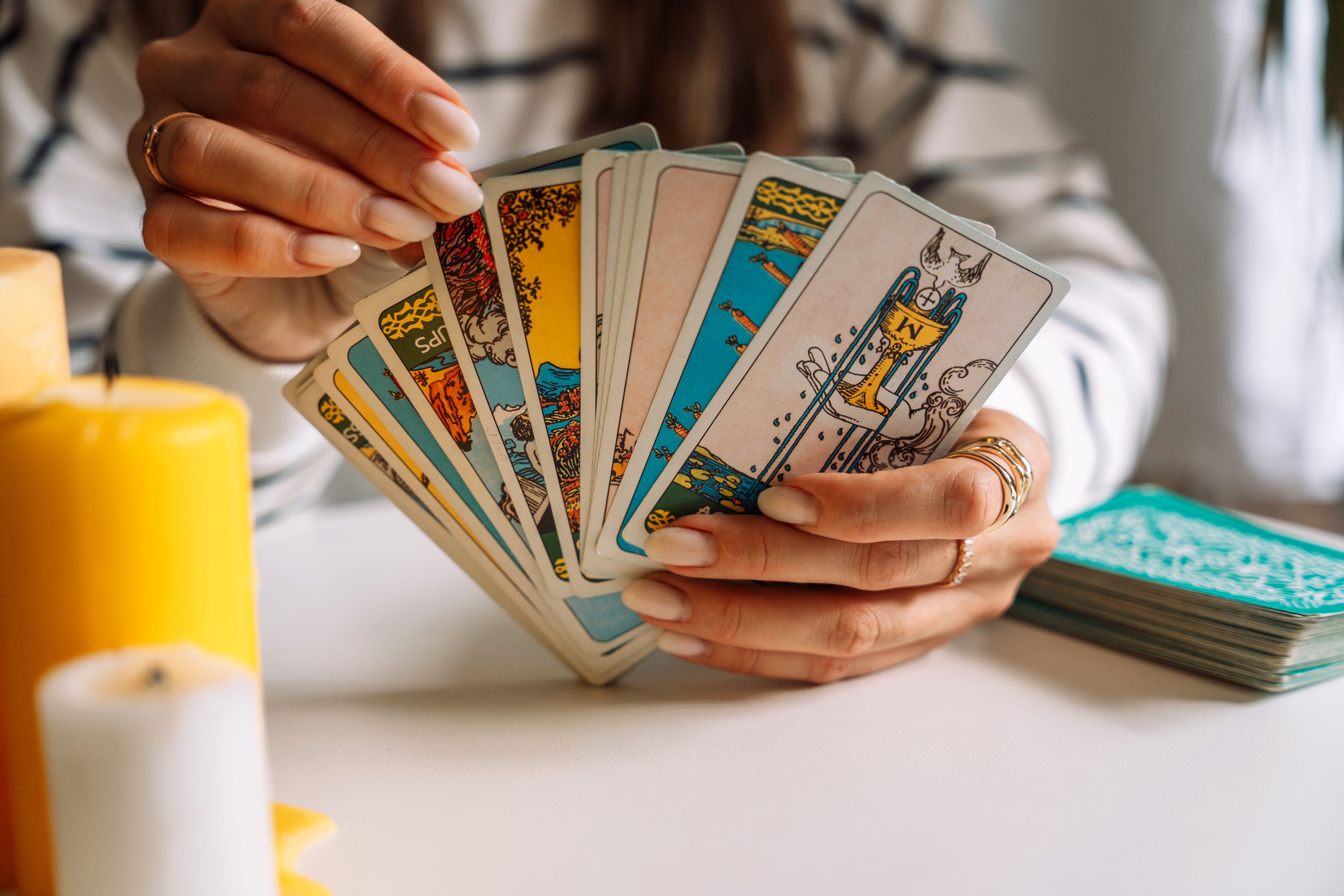
Another common misconception is that only psychics can read tarot cards. While intuition plays a role, tarot reading is a skill that anyone can learn. It involves understanding the symbolism and meanings of the cards, as well as developing a connection with them.
With practice and experience, anyone can become proficient in tarot reading. It’s about honing your intuition and interpreting the cards in a way that resonates with you.
Myth 3: Tarot Is Evil or Dangerous
Some people believe that tarot is associated with dark forces or is inherently dangerous. This myth likely stems from misunderstandings and fear of the unknown. In truth, tarot is a neutral tool used for self-reflection and personal growth.
Tarot can be a powerful resource for gaining clarity and confidence. It’s important to approach it with an open mind and a positive attitude, rather than fear or suspicion.
Myth 4: You Must Follow Strict Rules
There is a belief that tarot reading must adhere to strict rules, such as only reading for others or needing a specific ritual. While certain traditions exist, tarot is a personal journey, and flexibility is key.
Many readers develop their own unique styles and practices. What matters most is finding an approach that feels right for you and enhances your connection with the cards.
Myth 5: The Death Card Means Literal Death
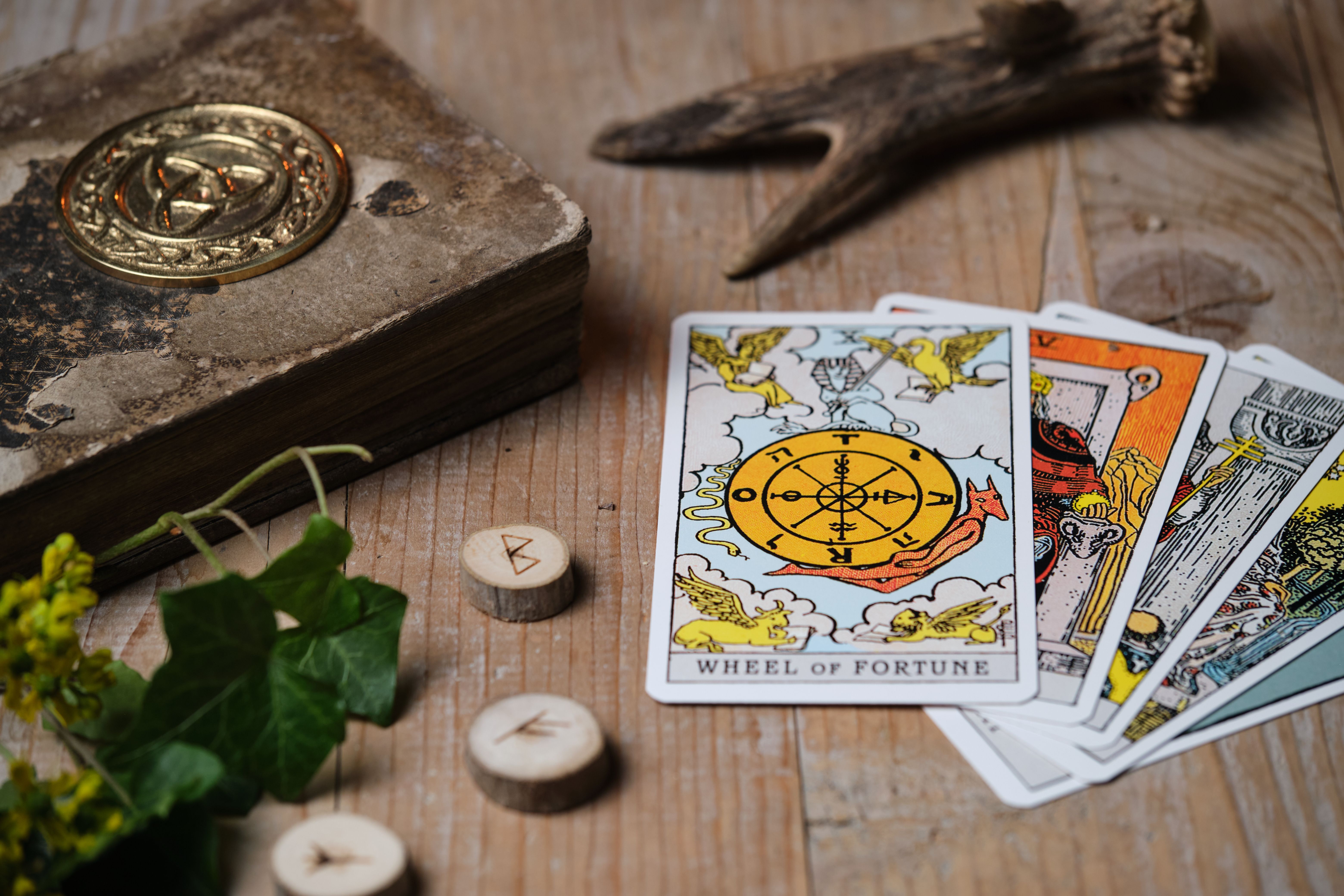
The Death card is often misunderstood as a literal indication of death. However, in tarot, it typically symbolizes transformation and change. It represents the end of one phase and the beginning of another, encouraging personal growth and new opportunities.
Understanding the symbolic nature of the cards can help dispel fear and reveal their true meanings, leading to a more enriching tarot experience.
By debunking these common myths, we hope to encourage a more informed and open-minded approach to tarot. Whether you’re a seasoned reader or just starting out, embracing the true essence of tarot can lead to profound personal insights and growth.