Debunking Common Tarot Myths: What You Need to Know


Understanding Tarot: Fact vs. Fiction
Tarot cards have long been shrouded in mystery, often misunderstood and misrepresented. While many see them as mystical tools, others dismiss them as mere superstition. In this post, we aim to debunk some of the most common myths surrounding tarot cards, helping you gain a clearer understanding of what they truly represent.
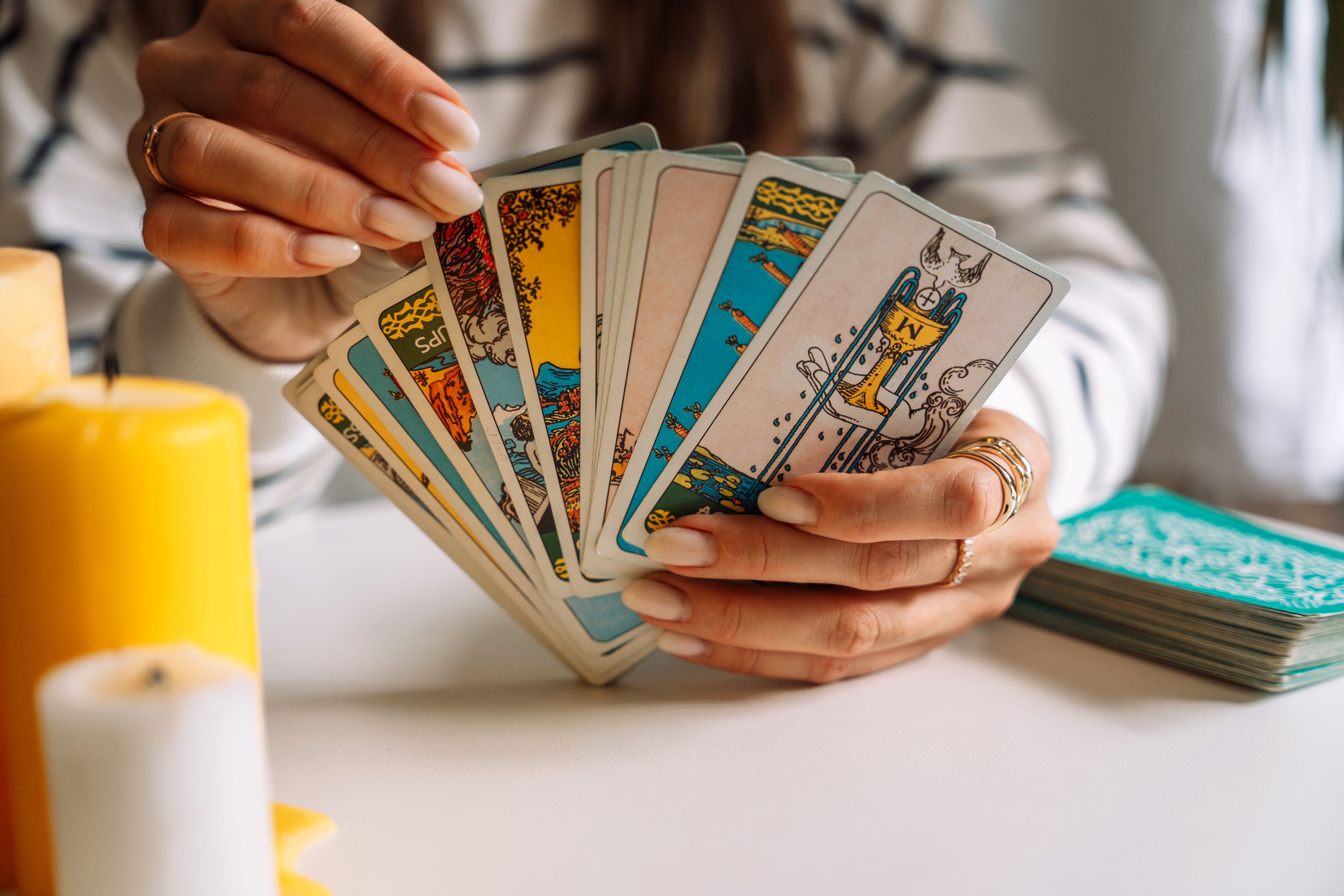
Myth 1: Tarot Predicts the Future
One of the most prevalent myths about tarot is that it can predict the future. In reality, tarot cards are not fortune-telling tools. Instead, they serve as a reflection of your current situation, offering insights and guidance. The future is not set in stone, and tarot readings emphasize personal empowerment and decision-making.
It's important to view tarot as a tool for introspection rather than prophecy. The cards highlight potential paths and outcomes based on your present circumstances, allowing you to make informed choices.
Myth 2: Only Psychics Can Read Tarot
Another common misconception is that tarot reading is a skill reserved for psychics or those with special abilities. In truth, anyone can learn to read tarot with practice and dedication. Understanding the meanings of the cards and developing intuition are skills that can be cultivated over time.
Many tarot readers rely on their intuition and personal experiences to interpret the cards. This personal connection can often yield more meaningful insights than relying solely on psychic abilities.
Myth 3: Tarot is Evil or Dangerous
For some, tarot cards are associated with dark or evil forces. This myth often stems from a misunderstanding of their origins and purpose. Tarot is not inherently sinister. It is a tool for self-reflection and personal growth, much like meditation or journaling.
Historically, tarot cards were used as playing cards before evolving into a means of spiritual exploration. They offer a way to tap into your subconscious mind, helping you uncover hidden thoughts and emotions.
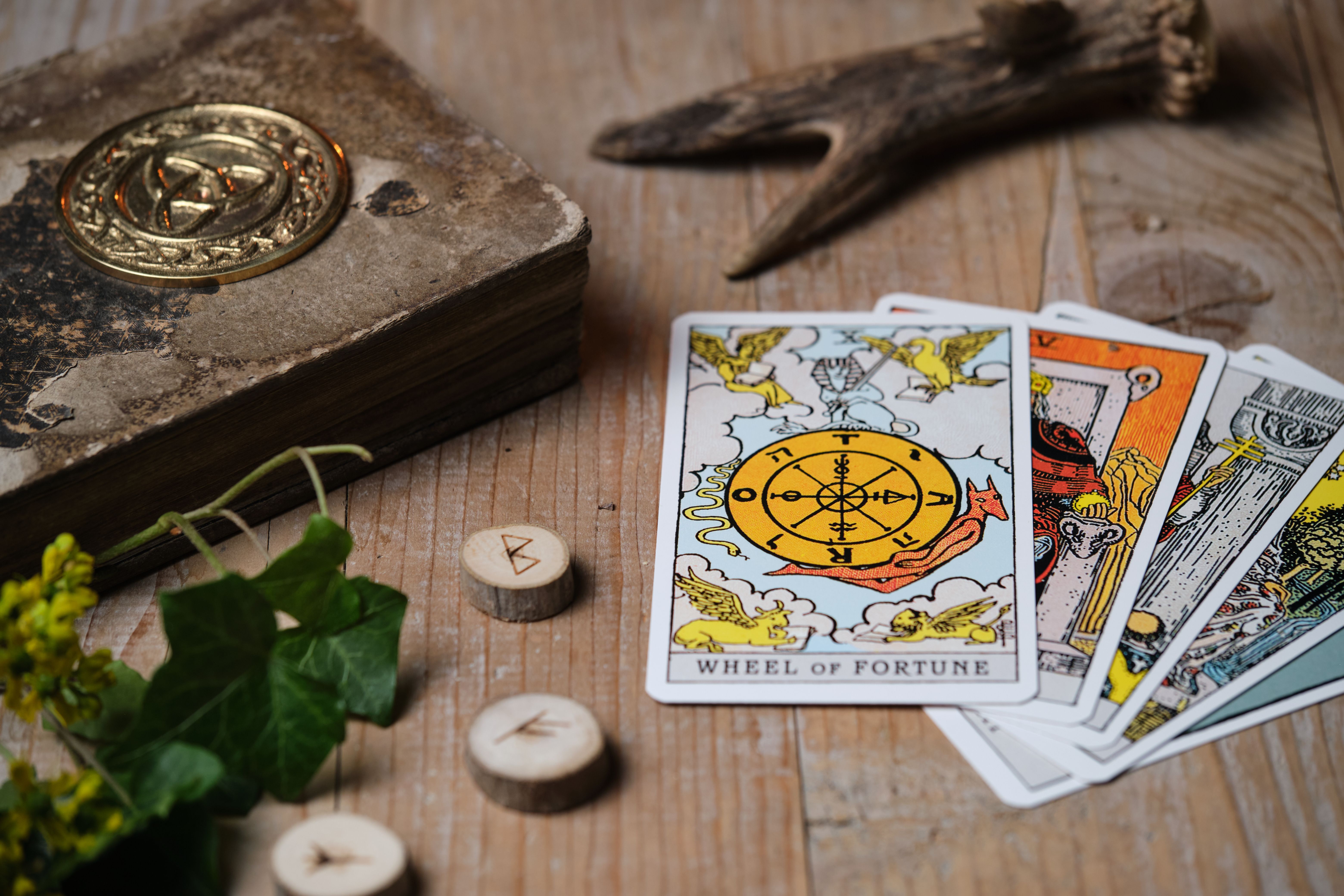
Myth 4: Tarot Requires a Specific Belief System
Some people believe that tarot reading is tied to specific religious or spiritual beliefs. However, tarot is a versatile tool that can be adapted to fit any belief system. Whether you follow a particular religion or are more spiritually inclined, tarot can be integrated into your practices.
The key is to approach tarot with an open mind and a willingness to explore your inner world. It's a personal journey that can complement any belief system without conflict.
Embracing Tarot for Personal Growth
By dispelling these myths, we hope to encourage a broader understanding of tarot as a valuable tool for reflection and growth. Embracing tarot can lead to greater self-awareness and a deeper connection to your intuition.
Remember, the power of tarot lies not in predicting the future but in offering insights into your present. By exploring the cards, you open yourself to new perspectives and opportunities for personal development.